
3rd Senate Meeting of UG, Blue Economy and Skills Education to Drive Gwadar’s Future: Governor
- 01 Jul, 2026
Blue Economy and Skills Education to Drive Gwadar’s Future: Governor
Praises the university's performance, says focus on blue economy, marine sciences and vocational education will drive regional development and youth employment.
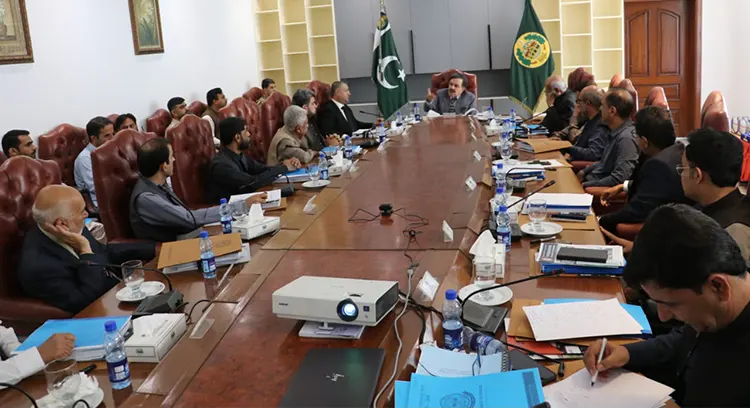
Governor Balochistan Sheikh Jaffar Khan Mandokhail has said that prudent planning and effective oversight have enabled the provincial government to maintain a balance between limited resources and growing challenges across Balochistan’s public-sector universities, describing the University of Gwadar’s 88.79 percent performance score as a significant achievement.
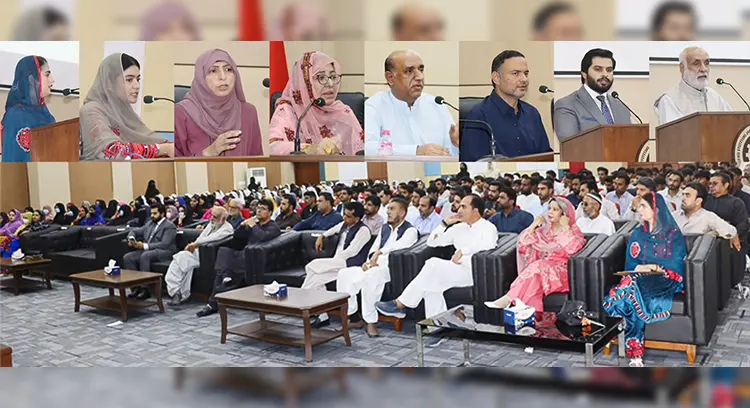
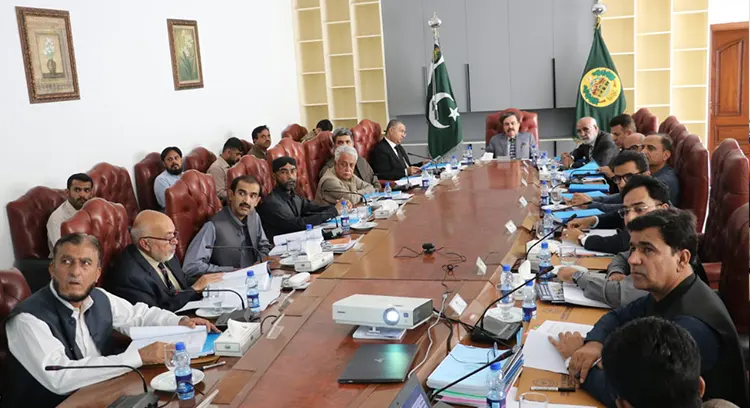
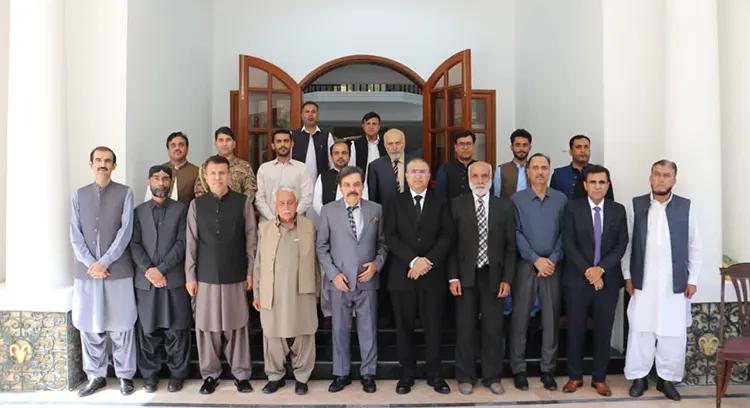
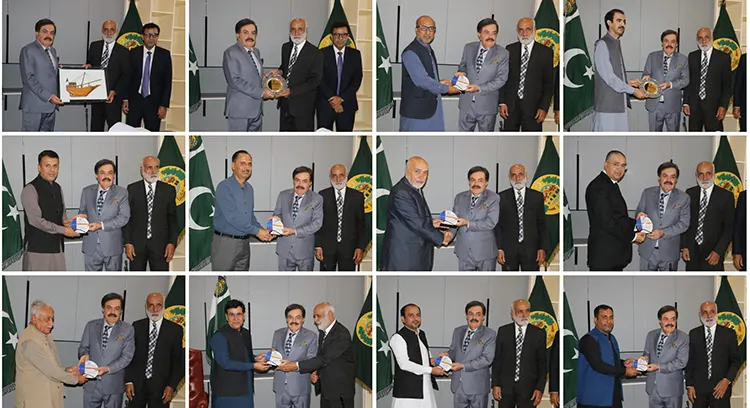
He made the remarks while chairing the third Senate meeting of the University of Gwadar, attended by Vice Chancellor Prof. Dr. Abdul Razzaq Sabir, Vice Chancellor of the University of Balochistan Prof. Dr. Zahoor Ahmed Bazai, Justice Najamuddin Mengal of the Balochistan High Court, Additional Secretary Higher Education, Principal Secretary to the Governor Abdul Nasir Dautani, Pro-Vice Chancellor Prof. Dr. Syed Manzoor Ahmed, Registrar Dr. Daulat Khan, and other senate members.
The governor congratulated Vice Chancellor Prof. Dr. Abdul Razzaq Sabir and his team for the university’s performance, saying the achievement reflected effective leadership and institutional progress.
Mandokhail said the provincial government was committed to strengthening higher education and had set a clear objective of developing the University of Gwadar into one of the world’s leading coastal universities.
He said the university’s Strategic Plan 2026-30 focuses on disciplines directly linked to the coastal economy, including Blue Economy, Marine Sciences, Fisheries, Coastal Belt Management, and Environmental Studies, to preserve its unique academic identity and meet the region’s future development needs.
The governor added that experts from various fields were also being engaged to help transform the university into a leading centre of excellence for coastal education and research in the region.
Highlighting the importance of skills development, Mandokhail welcomed the introduction of vocational training and diploma programmes, saying they would equip unemployed youth with marketable skills and improve employment opportunities.
He also described the participation of local women in higher education as encouraging, noting that nearly half of the university’s students are female, which he termed a commendable achievement for a remote district like Gwadar.
Emphasizing the role of research, the governor said universities should produce knowledge that directly benefits society. He praised the growing number of research publications produced by the university and stressed that academic research should be translated into practical solutions for public welfare.
The Senate meeting concluded with members approving several recommendations and taking a number of key decisions aimed at further strengthening the university’s academic and institutional development.